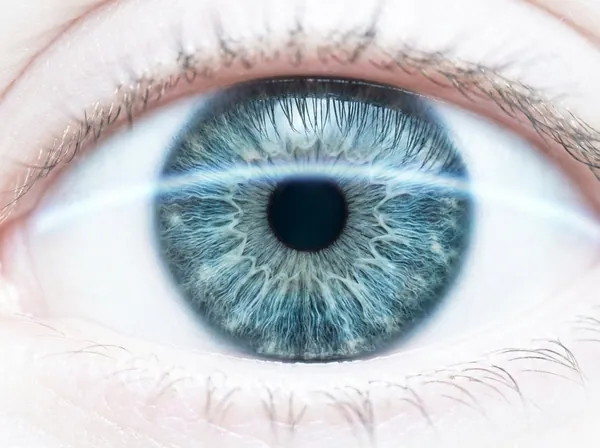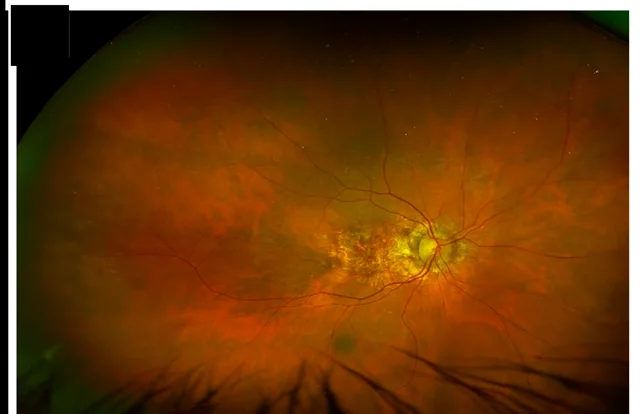

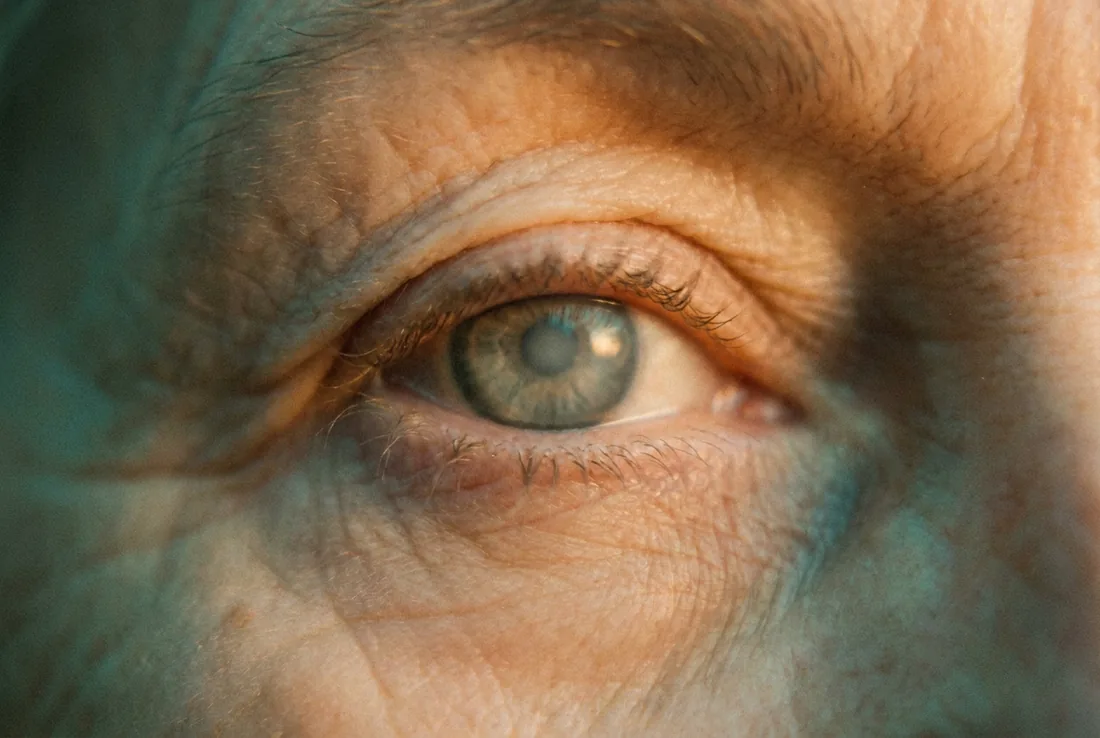
A cataract is simply the natural lens inside your eye turning cloudy over time. It isn’t a growth, and it isn’t caused by anything you did — it’s just part of getting older, the same way hair turns gray. Almost everyone develops some amount of cataract if they live long enough.
Signs you might notice
Cataracts usually develop slowly, so the changes can be easy to miss at first.
- Colors look a little duller than they used to
- Glare from headlights or sunlight feels sharper and more bothersome
- Night driving gets harder
- Things look slightly hazy, like looking through a foggy window
- Reading in dim light takes more effort than it used to
The good news: cataracts are very treatable
When a cataract starts affecting daily life — driving, reading, the things you actually want to do — surgery is a common, well-established fix. In plain terms, the cloudy natural lens is removed and replaced with a clear artificial one that stays in your eye permanently. It’s a short outpatient procedure, most people go home the same day, and vision typically improves within a few days.
Cataracts don’t need to be scary, and they usually don’t need to be urgent, either. Most people have time to think it through and decide when the right time is for them.
Where an eye exam fits in
The first step is simply having your eyes checked. A dilated eye exam lets us get a clear look at your natural lens and tell you exactly what we’re seeing — whether it’s nothing to worry about yet, or something worth keeping an eye on going forward.